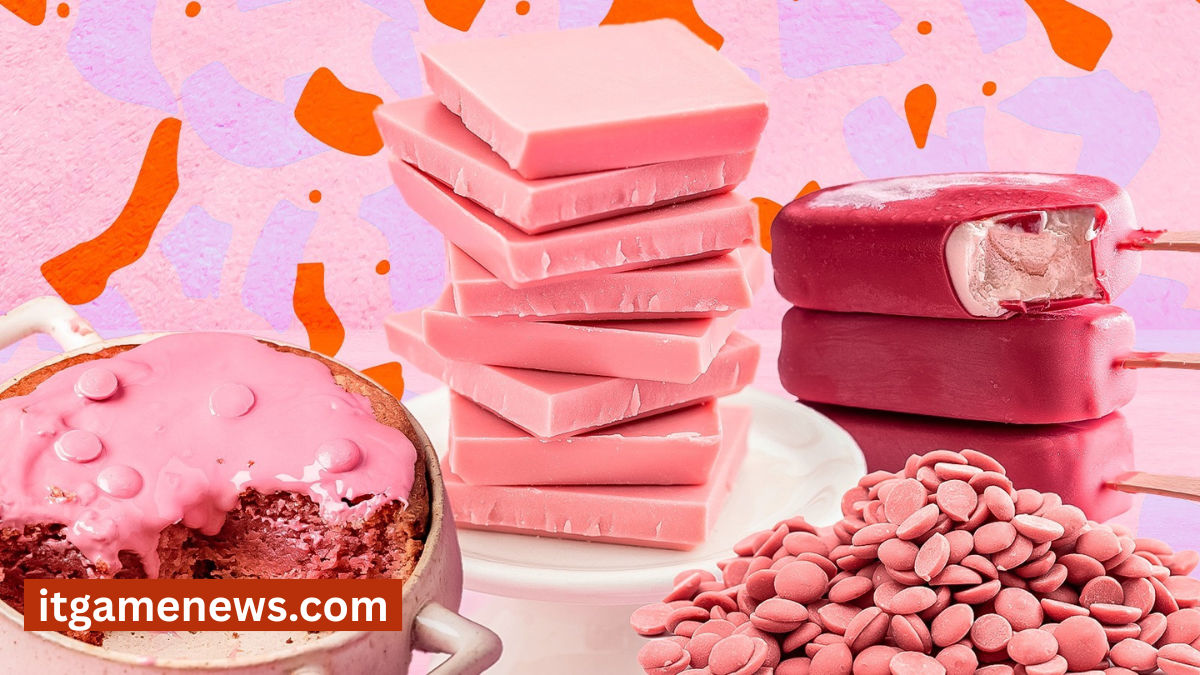
Ruby chocolate has quickly become one of the most fascinating innovations in the global confectionery industry. Often referred to as the “fourth type of chocolate” after dark, milk, and white, it stands out not only for its striking pink-red color but also for its unique fruity flavor profile. Since its introduction, ruby chocolate has sparked curiosity among chocolate lovers, chefs, and food scientists alike, reshaping expectations of what chocolate can look and taste like. Unlike traditional varieties, it does not rely on added coloring or fruit flavoring, making its natural appearance and taste even more intriguing.
Ruby chocolate represents a major shift in the modern chocolate industry, offering a completely new sensory experience. Unlike traditional chocolate types that have been known for centuries, ruby chocolate was only introduced to the world in 2017, making it a relatively recent discovery. Its debut created global excitement, especially among dessert lovers who were immediately drawn to its naturally pink hue.
What makes ruby chocolate so appealing is its ability to combine visual beauty with a distinctive taste. It is not artificially colored, nor does it contain fruit additives, despite its berry-like flavor notes. Instead, its characteristics come from a specific variety of cocoa bean and a carefully controlled production process. This combination of natural origin and scientific innovation sets it apart in the confectionery world.
From luxury chocolate brands to artisan pastry chefs, ruby chocolate has become a popular ingredient for creating visually stunning desserts. Its soft pink tone makes it especially attractive for high-end pastries, Valentine-themed treats, and gourmet chocolate collections. As consumer demand for unique food experiences continues to grow, ruby chocolate has secured its place as a modern culinary trend.
What Exactly Is Ruby Chocolate?
Ruby chocolate is made from specially selected cocoa beans that naturally possess unique color precursors. Unlike milk or dark chocolate, it does not require additional flavoring or coloring agents to achieve its signature pink-red appearance. Instead, the transformation happens during a carefully controlled process that brings out both its color and fruity flavor notes.
The taste of ruby chocolate is often described as a balance between sweet and tangy, with subtle hints of berries. This makes it distinctly different from the bitterness of dark chocolate or the creamy sweetness of white chocolate. Its flavor profile appeals to people who prefer lighter, fruit-forward desserts rather than intense cocoa richness.
One of the most fascinating aspects of ruby chocolate is that it sits in a category of its own. While milk chocolate is known for creaminess and dark chocolate for intensity, ruby chocolate offers a refreshing middle ground with a slightly acidic twist. This uniqueness has helped it gain attention not just as a confectionery product but also as an ingredient in modern gastronomy.
How Ruby Chocolate Is Made
The creation of ruby chocolate involves a highly specialized process that begins with selecting specific cocoa beans. These beans are sourced from regions where natural compounds within the cocoa allow for the development of ruby-like characteristics. However, not all cocoa beans can produce ruby chocolate, which makes the selection process extremely important.
Once harvested, the beans undergo fermentation and processing techniques that are carefully controlled to preserve their unique properties. Unlike traditional chocolate production, where roasting plays a dominant role, ruby chocolate production relies heavily on balancing temperature, acidity, and moisture levels. These factors influence both the final color and the signature fruity taste.
The exact method used to produce ruby chocolate is closely guarded by its developers, making it one of the most intriguing innovations in food science. What is known, however, is that no artificial coloring or fruit extracts are added during the process. The pink hue emerges naturally through chemical reactions within the cocoa components, making it a true breakthrough in chocolate technology.
Taste, Texture, and Culinary Experience
The sensory experience of ruby chocolate is one of its strongest selling points. When tasted, it delivers a smooth, creamy texture similar to milk chocolate but with a lighter, more refreshing finish. The flavor is often described as slightly sour with fruity undertones reminiscent of raspberries or cranberries.
This unique profile makes ruby chocolate extremely versatile in culinary applications. It pairs exceptionally well with fruits like strawberries, citrus, and passion fruit, enhancing both sweetness and acidity in desserts. Chefs often use it to create visually appealing pastries that also offer a complex taste experience.
In addition to desserts, ruby chocolate is increasingly being used in beverages, truffles, and gourmet confections. Its vibrant color makes it ideal for decorative purposes, allowing chefs to create visually striking presentations that stand out in fine dining and social media food trends.
Health Aspects, Market Trends, and Popularity
From a nutritional standpoint, ruby chocolate is similar to other types of chocolate, containing sugar, cocoa butter, and milk solids. While it does contain antioxidants derived from cocoa, it is not significantly healthier than dark chocolate. Its appeal lies more in its novelty and sensory experience than in its nutritional benefits.
The market response to ruby chocolate has been overwhelmingly positive, especially in premium dessert segments. High-end brands and artisanal chocolatiers have embraced it as a way to differentiate their products. Social media has also played a major role in its popularity, with its bright pink color making it highly “Instagrammable.”
Despite its success, ruby chocolate has also faced skepticism. Some critics argue that its flavor is not as rich as traditional chocolate, while others question its positioning as a separate chocolate category. However, its growing presence in global markets suggests that consumer curiosity continues to drive demand.
Conclusion
Ruby chocolate has successfully carved out a unique space in the world of confectionery. Its natural pink color, fruity flavor profile, and innovative production process make it one of the most intriguing food discoveries of recent years. While it may not replace traditional chocolate varieties, it has certainly expanded the boundaries of what chocolate can be.
As the food industry continues to evolve, ruby chocolate stands as a symbol of creativity and innovation. Whether used in luxury desserts or everyday treats, it offers a fresh and exciting experience for chocolate lovers around the world.
