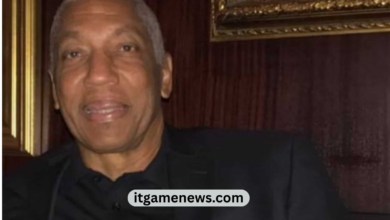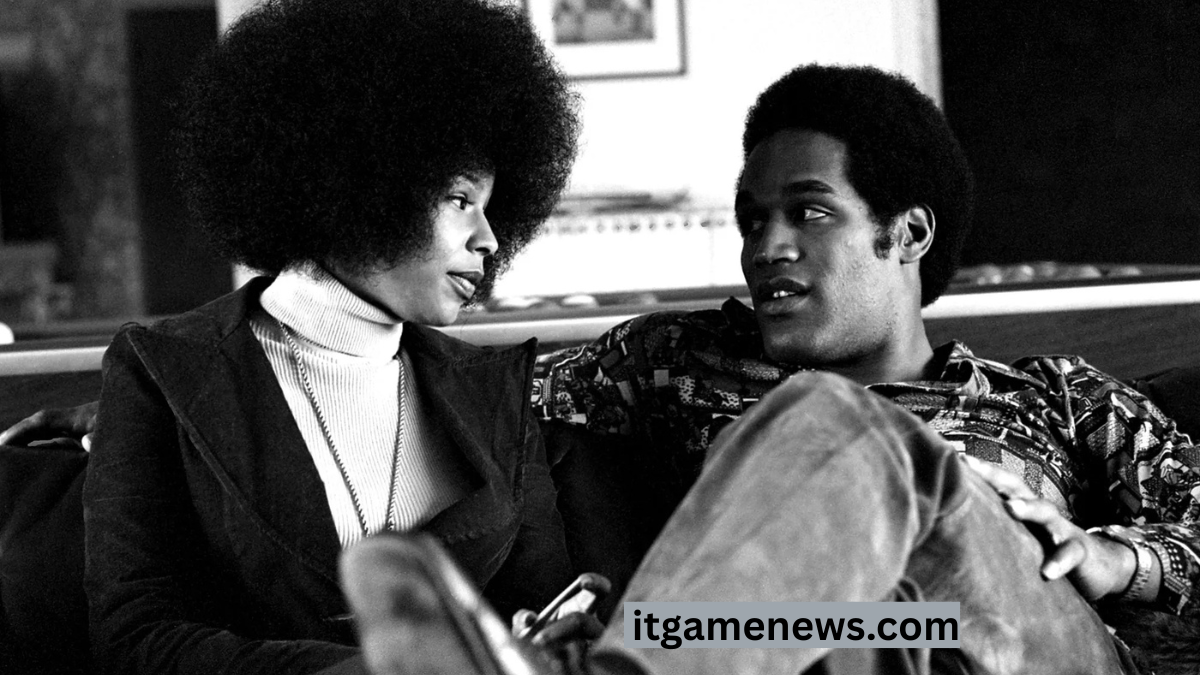
Marguerite Whitley is widely recognized as the first wife of former American football star O.J. Simpson. Although she has remained largely private throughout her life, her name continues to appear in public discussions due to her early connection with one of the most well-known athletes and controversial figures in American sports history. Unlike many individuals linked to celebrity culture, Marguerite Whitley chose a life away from the spotlight, which makes her story both intriguing and respectfully understated.
Her life gained public attention during her marriage to Simpson in the late 1960s and 1970s, a period when his football career was rapidly rising. However, despite being connected to fame, Marguerite herself never actively pursued media attention or public recognition. This distinction is important in understanding her identity—not as a celebrity, but as a private individual who experienced fame indirectly through marriage.
Today, Marguerite Whitley remains a figure of curiosity for many people researching O.J. Simpson’s personal history. Her story reflects themes of early marriage, family life under pressure, and the challenges of living near celebrity status while trying to maintain personal boundaries. Understanding her journey provides a more complete picture of the human side behind public fame and media narratives.
Early Life and Background
Marguerite Whitley was born and raised in the United States, though she has consistently kept personal details about her early upbringing out of the public eye. This lack of public documentation reflects her lifelong preference for privacy. What is known suggests that she grew up in a modest, stable environment before meeting O.J. Simpson during her younger years.
Before her association with Simpson, Marguerite lived a relatively normal life, focused on education, family values, and personal development. She did not come from a background of celebrity or entertainment, which makes her later connection to fame even more significant. Her early life shaped her grounded personality, which later helped her navigate the complexities of being linked to a high-profile athlete.
Her relationship with Simpson began during a time when he was gaining recognition as a college football player at the University of Southern California. This period marked the beginning of a major transition in her life, as she moved from privacy into the early stages of public attention. Despite this shift, Marguerite maintained a strong sense of individuality, which would later define her decision to step away from media exposure and focus on family responsibilities.
Marriage and Relationship with O.J. Simpson
Marguerite Whitley married O.J. Simpson in 1967, long before he became a household name in professional sports and entertainment. Their marriage took place during Simpson’s early career, when he was still building his reputation as a talented football player. Together, they had children and attempted to build a family life while navigating the pressures of growing fame.
As Simpson’s career progressed into the National Football League (NFL), particularly with the Buffalo Bills, the couple experienced significant lifestyle changes. Increased media attention, travel demands, and public recognition began to affect their personal relationship. Like many marriages connected to celebrity life, balancing privacy and fame proved challenging.
Despite these difficulties, Marguerite played an important role as a mother and partner during the early stages of Simpson’s career. However, over time, the relationship became strained due to personal differences and external pressures. The couple eventually divorced in 1979, marking the end of a marriage that had lasted more than a decade.
Their separation was a turning point in Marguerite’s life, as she chose to step away from public association with Simpson and focus on raising their children. Unlike many public divorces, she maintained a quiet and respectful distance from media attention, which further reinforced her preference for privacy and personal independence.
Life After Divorce
After her divorce from O.J. Simpson, Marguerite Whitley transitioned into a life away from the public spotlight. She focused primarily on raising her children and maintaining a stable family environment. This period of her life was marked by resilience and determination, as she adjusted to life as a single mother while managing the indirect attention that came from her former marriage.
Unlike many individuals connected to public figures, Marguerite did not seek media interviews, book deals, or public appearances. Instead, she deliberately chose privacy, allowing her personal life to remain largely undocumented. This decision helped her protect her family from unnecessary media scrutiny and maintain a sense of normalcy.
Her post-divorce life reflects strength in silence. While public interest in O.J. Simpson continued to grow over the years, Marguerite remained detached from media narratives. She focused on her own personal growth, family responsibilities, and long-term stability rather than engaging with public attention or controversy.
This quiet approach has contributed to the mystery surrounding her life, as very little verified information is available about her activities after the late 1970s and early 1980s. However, what remains clear is her commitment to privacy and her dedication to living outside the influence of fame.
Public Image and Media Representation
Marguerite Whitley has been portrayed in media primarily through her connection to O.J. Simpson. As a result, her public image is largely shaped by external narratives rather than her own statements or appearances. Unlike many individuals linked to celebrities, she has rarely, if ever, participated in interviews or public discussions about her personal life.
In biographies, documentaries, and media coverage of Simpson’s life, Marguerite is often mentioned in the context of his early relationships and family history. However, these portrayals tend to focus more on Simpson’s career and later controversies, rather than providing detailed insight into her personal experiences.
This limited representation has contributed to a one-dimensional public perception of her life. In reality, Marguerite’s story is more nuanced, centered on motherhood, personal resilience, and the choice to remain private despite public curiosity.
Her absence from media platforms has also helped her maintain control over her personal narrative. By not engaging publicly, she has avoided the misinterpretations and controversies that often come with celebrity association. This decision has preserved her privacy but also left many aspects of her life open to speculation.
Personal Life and Current Status
In recent years, very little verified information has been publicly available about Marguerite Whitley’s current life. She is believed to continue living a private lifestyle, away from media attention and public appearances. This ongoing privacy reflects a consistent pattern that has defined her life for decades.
Her focus has remained on family and personal well-being rather than public engagement. While her children with O.J. Simpson have occasionally been mentioned in media coverage, Marguerite herself has stayed out of public discussions and avoided involvement in media narratives.
This level of privacy is increasingly rare in today’s digital age, making her story even more notable. It demonstrates a strong commitment to maintaining boundaries between personal life and public curiosity. Despite ongoing interest in her past, she has successfully preserved her anonymity in most public spaces.
Her current status symbolizes a life chosen outside of fame—one that prioritizes peace, privacy, and independence over recognition. While many individuals connected to celebrities remain in the spotlight, Marguerite Whitley stands out as someone who deliberately stepped away and remained there.
Conclusion
Marguerite Whitley’s life story is a powerful example of quiet resilience in the face of public attention. Though she became known through her marriage to O.J. Simpson, she never allowed fame to define her identity. Instead, she chose a path centered on privacy, family, and personal independence.
Her journey reflects the challenges many individuals face when connected to celebrity culture—where personal lives can easily become public property. Yet, Marguerite’s decision to remain private highlights the strength in choosing a life away from media attention.
While much of her story remains private, what is known paints a picture of a woman who valued stability over spotlight. Her legacy is not one of public fame, but of quiet dignity and personal choice in a world often driven by visibility.