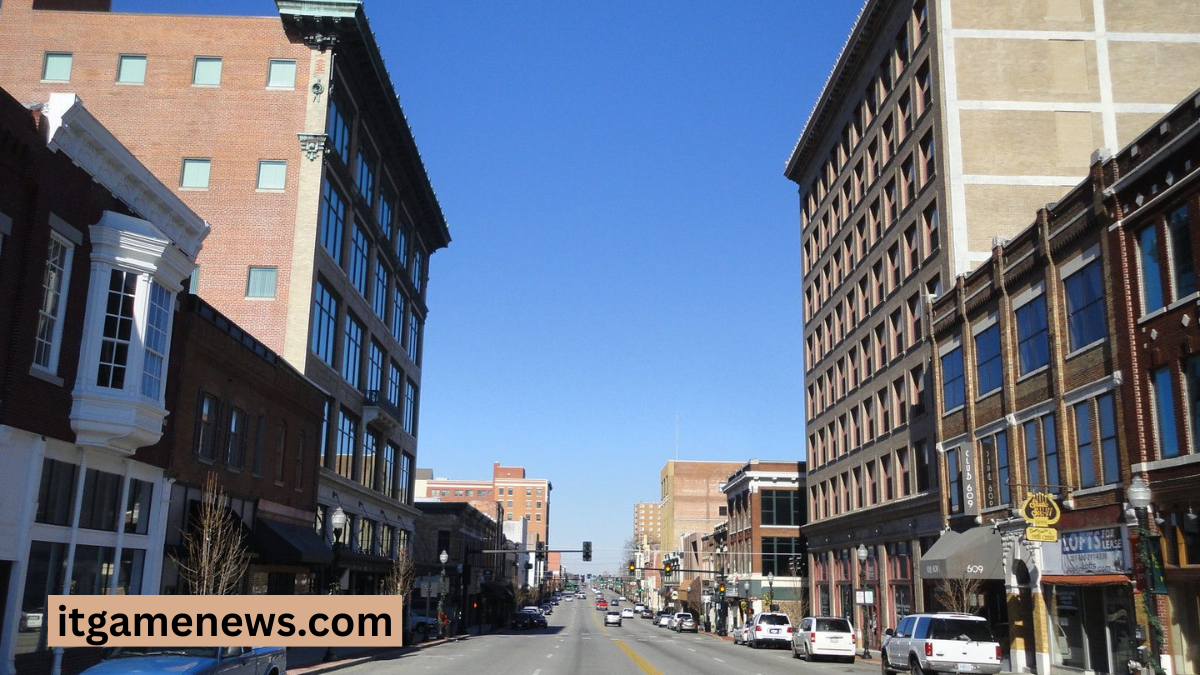
Joplin mo population, is one of the most recognizable cities in the southwestern part of the state, known for its rich mining history, resilient community, and evolving economy. When discussing the Joplin MO population, it is important to understand that this city is not just a number on a census report—it represents a dynamic community shaped by decades of economic change, migration patterns, and regional development. As of recent estimates, Joplin continues to serve as a regional hub for healthcare, education, and commerce in the Four States area, which includes Missouri, Kansas, Oklahoma, and Arkansas.
The population of Joplin has experienced significant changes over time, influenced by both natural growth and external factors such as employment opportunities and infrastructure development. Unlike rapidly expanding metropolitan areas, Joplin reflects a more stable yet gradually evolving demographic pattern. Understanding the Joplin MO population helps urban planners, businesses, and residents gain insight into how the city is developing and what future opportunities may arise. It also highlights how small-to-mid-sized American cities adapt in a modern economy driven by technology and service-based industries.
Historical Growth of Joplin MO Population
The early history of Joplin’s population is closely tied to the mining industry, particularly lead and zinc extraction, which fueled rapid growth in the late 19th and early 20th centuries. During this period, the Joplin MO population expanded quickly as workers and families moved into the area seeking employment and economic opportunity. The city became a bustling industrial center, attracting immigrants and laborers from various regions. This boom period established Joplin as one of the key economic drivers in southwest Missouri.
However, as mining activity declined in the mid-20th century, the population growth began to stabilize. Economic diversification became necessary, and Joplin gradually shifted toward healthcare, manufacturing, retail, and education sectors. While the city did not experience the explosive growth of larger metropolitan areas, it maintained a steady population base. Over time, natural disasters, including the devastating 2011 tornado, also influenced demographic patterns, temporarily affecting population distribution and housing development. Despite these challenges, Joplin’s community resilience has played a crucial role in maintaining a stable population trajectory.
Current Joplin MO Population Statistics
Today, the Joplin MO population reflects a balanced mid-sized city with a stable demographic structure. According to recent census estimates, the population is approximately in the mid-50,000 range, making it one of the largest cities in southwest Missouri outside of Springfield. The population density is moderate, allowing for a blend of urban amenities and suburban living. This balance is one of Joplin’s key attractions, offering residents access to essential services without the congestion of larger cities.
Demographically, Joplin has a diverse age distribution, with a strong representation of working-age adults alongside a growing senior population. Household sizes tend to be moderate, and the city reflects a mix of family households, single residents, and retirees. While Joplin is not highly diverse compared to larger metropolitan regions, it has gradually become more culturally varied over the years. These characteristics help define the modern Joplin MO population, which continues to evolve in response to economic and social trends.
Economic and Social Factors Affecting Population
Several economic and social factors directly influence the Joplin MO population trends. One of the most significant contributors is employment availability. The city has developed a strong healthcare sector, led by major regional hospitals and medical centers, which attracts professionals and supports population stability. In addition, manufacturing, logistics, retail, and education also play important roles in sustaining local employment opportunities.
Cost of living is another major factor shaping population growth in Joplin. Compared to larger U.S. cities, Joplin offers more affordable housing and lower daily expenses, making it an attractive destination for families and retirees. Migration patterns show that while some residents leave for larger urban centers, many others move in seeking affordability and a slower-paced lifestyle. These inflows help maintain a steady Joplin MO population, even when economic fluctuations occur.
Population Growth Trends and Future Projections
The Joplin MO population has demonstrated relatively stable growth in recent years, without extreme spikes or declines. This stability is often viewed positively by urban planners, as it indicates a balanced economy and sustainable infrastructure development. Recent trends suggest slow but steady growth driven by healthcare expansion, retail development, and regional migration.
Looking ahead, population projections indicate that Joplin is likely to experience moderate growth over the next decade. Factors such as job creation, housing development, and improved transportation infrastructure will play key roles in shaping this future. However, growth is expected to remain controlled rather than rapid, preserving the city’s small-to-mid-sized character. Compared to larger Missouri cities like Kansas City or St. Louis, Joplin’s growth model is more gradual but potentially more stable in the long term.
Quality of Life and Community Impact
Quality of life is a major reason why the Joplin MO population remains steady and attractive to new residents. The city offers a strong education system, including public schools and higher education institutions that serve the surrounding region. Access to healthcare is another major advantage, with Joplin functioning as a medical hub for southwest Missouri and neighboring states.
In addition to essential services, Joplin provides a range of recreational and cultural amenities. Parks, community events, and local attractions contribute to a strong sense of community identity. Safety and affordability also enhance the overall living experience, making Joplin appealing for families and retirees alike. These factors collectively support population retention and contribute to the city’s long-term demographic stability.
Joplin MO Population in Regional Context
When viewed in a regional context, the Joplin MO population plays an important role in the broader Four States area. The city serves as a commercial and healthcare hub for surrounding rural communities, drawing daily commuters for work, shopping, and medical services. This regional influence strengthens Joplin’s economic importance beyond its city limits.
Compared to nearby cities, Joplin stands out for its balanced growth and infrastructure. While it is not as large as major metropolitan areas, it offers more opportunities and services than many smaller towns in the region. This middle-ground position allows Joplin to maintain a stable population while continuing to attract new residents from rural areas seeking better access to jobs and amenities.
Challenges and Opportunities
Despite its stability, the Joplin MO population faces certain challenges. One of the main concerns is ensuring continued economic diversification to reduce reliance on a limited number of industries. Housing development and infrastructure expansion must also keep pace with population needs to avoid long-term strain.
At the same time, Joplin has significant opportunities for growth. Investments in healthcare, education, and logistics can further strengthen its economic base. Additionally, its strategic location along major transportation routes positions it well for future development. If managed effectively, these opportunities could support steady population growth while maintaining the city’s quality of life.
Conclusion
The Joplin MO population reflects the story of a resilient, adaptable, and steadily growing Midwestern city. From its mining-era boom to its modern role as a regional hub, Joplin has consistently evolved in response to economic and social changes. While it may not experience rapid population surges, its stability is one of its greatest strengths.
Looking forward, Joplin’s future population trends will likely be shaped by economic diversification, quality of life improvements, and regional development. With its strong community foundation and strategic location, Joplin is well-positioned to maintain steady growth while preserving the character that makes it unique.
