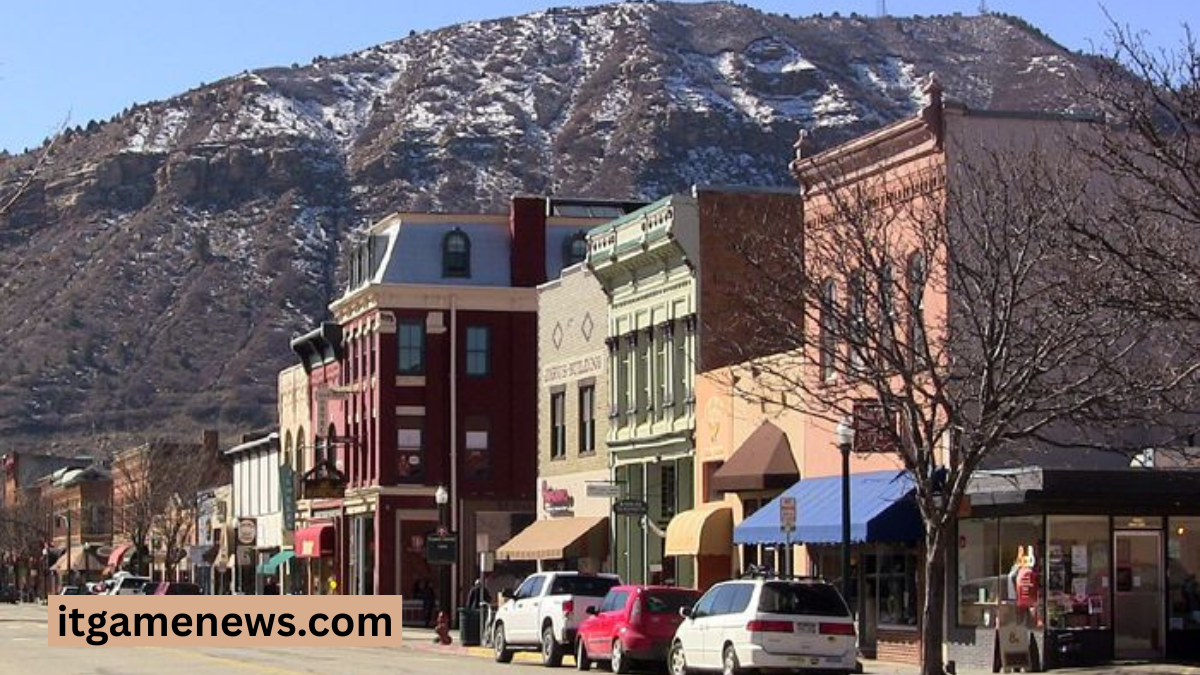
Durango colorado population is a small but culturally rich city located in the southwestern part of the state, known for its scenic mountain landscapes, outdoor recreation, and historic charm. While many people recognize Durango as a tourism hub or a gateway to the San Juan Mountains, its population trends reveal a deeper story about economic development, migration patterns, and lifestyle preferences in modern America.
Understanding the Durango Colorado population helps explain how the city has evolved over time and why it continues to attract new residents despite its relatively small size. Population data also provides insight into housing demand, employment opportunities, and infrastructure planning in the region.
In recent years, Durango has experienced steady but moderate growth driven by tourism, education, and remote work trends. This article explores its current population, historical changes, demographic structure, and future projections to give a complete picture of the city’s human landscape.
Current Population of Durango, Colorado
The current estimated population of Durango, Colorado is around the mid-19,000 range, based on recent census updates and local government estimates. While this number may seem small compared to major urban centers, Durango plays an outsized role in the region as a cultural, educational, and economic hub for southwestern Colorado.
What makes the Durango Colorado population particularly interesting is its seasonal variation. During peak tourist months, the number of people in the area increases significantly due to visitors exploring nearby attractions such as the Durango & Silverton Narrow Gauge Railroad, Mesa Verde National Park, and various ski and hiking destinations. This seasonal influx often makes the city feel much larger than its permanent resident count suggests.
Compared to other Colorado cities, Durango is relatively small. Cities like Denver, Colorado Springs, and Fort Collins have populations in the hundreds of thousands, while Durango maintains a more intimate, community-oriented environment. This smaller scale contributes to its strong sense of local identity, lower traffic congestion, and close-knit social structure.
Despite its size, Durango remains an important regional center. It supports surrounding rural communities by offering healthcare services, education through Fort Lewis College, and a growing range of professional and tourism-related jobs. This balance between small-town living and regional importance is a defining characteristic of its population profile.
Historical Population Growth Trends
The history of the Durango Colorado population dates back to its founding in the late 19th century, when the city was established as a railroad town supporting mining and transportation industries. Early population growth was closely tied to economic activity in coal, silver, and other natural resources found in the surrounding mountains.
Throughout the early to mid-1900s, Durango experienced slow but steady growth. Unlike rapidly industrializing cities, its remote location limited large-scale expansion. However, it remained a stable community due to its role as a transportation and service hub in the region. The presence of railroads and later tourism began shaping its long-term identity.
In the late 20th century, Durango saw increased growth driven by outdoor recreation, environmental awareness, and lifestyle migration. Many people began relocating to the area for its natural beauty, recreational opportunities, and slower pace of life. This shift marked a transition from an industrial-based economy to one centered on tourism, education, and service industries.
Over the last two decades, population growth has continued at a moderate pace. Unlike booming metropolitan areas, Durango’s growth has been controlled by geography, housing availability, and infrastructure capacity. However, the city has consistently attracted retirees, remote workers, and students, all contributing to gradual expansion.
Demographic Breakdown of Durango
The Durango Colorado population is not only defined by size but also by its demographic composition. One of the most notable characteristics is its relatively young median age compared to other rural mountain towns, largely influenced by the presence of Fort Lewis College. The student population adds energy, diversity, and seasonal fluctuation to the city’s demographics.
In terms of household structure, Durango includes a mix of families, single professionals, students, and retirees. The average household size tends to be smaller than national averages, reflecting both the student influence and the growing number of single-person households. Homeownership is relatively strong, although housing affordability has become a growing concern in recent years.
Ethnically, Durango is predominantly White, but it also has a significant Hispanic and Latino community that contributes to the city’s cultural richness. Indigenous populations are also an important part of the region’s identity, with deep historical roots in southwestern Colorado. Over time, the city has become more diverse, especially as migration from other states increases.
Gender distribution remains fairly balanced, with only slight variations depending on age groups and student enrollment. Overall, Durango’s demographic profile reflects a blend of traditional small-town characteristics and evolving modern influences.
Economic and Social Factors Affecting Population
The Durango Colorado population is closely tied to the city’s economic structure. Tourism is one of the strongest drivers of both employment and population stability. Visitors drawn to skiing, hiking, biking, and cultural attractions support a wide range of hospitality and service jobs.
Education is another major factor. Fort Lewis College not only brings thousands of students to the city but also supports faculty employment and related economic activity. This academic presence plays a significant role in maintaining a younger demographic profile.
Healthcare, retail, and public services also contribute to employment opportunities. However, like many mountain towns, Durango faces challenges related to housing affordability. Rising property prices and limited housing supply have influenced migration patterns, making it harder for some residents to stay long-term.
In recent years, remote work has introduced a new dynamic. Professionals who no longer need to live in major cities are relocating to places like Durango for its quality of life, natural surroundings, and slower pace. This trend has contributed to population stability and even modest growth despite economic limitations.
Migration Patterns and Population Movement
Migration plays a key role in shaping the Durango Colorado population. The city attracts new residents primarily from larger metropolitan areas such as Denver, Phoenix, and various cities in Texas and California. Many of these individuals are drawn by lifestyle factors, including outdoor recreation, cleaner environments, and community atmosphere.
At the same time, some residents leave Durango due to housing costs, limited job diversity, or the desire for more urban amenities. This out-migration helps balance population growth and prevents rapid urban overcrowding.
Seasonal migration is also important. Retirees and part-time residents often spend part of the year in Durango, contributing to population fluctuations. Tourism-related workers may also move in and out depending on seasonal demand.
Overall, migration patterns reflect a dynamic but stable population system influenced by both economic opportunity and lifestyle preference.
Future Population Projections
Looking ahead, the Durango Colorado population is expected to grow slowly but steadily over the next decade. Growth will likely be influenced by housing development, infrastructure expansion, and continued demand for remote-friendly living environments.
However, geographic limitations such as mountainous terrain and protected land areas restrict large-scale expansion. This means that growth will likely remain controlled rather than explosive.
Sustainability will be a key focus for the city. Managing water resources, transportation systems, and housing availability will determine how well Durango can accommodate future residents. If balanced correctly, the city can continue growing without losing its small-town identity.
Conclusion
The Durango Colorado population reflects a unique blend of historical development, natural geography, and modern lifestyle trends. While the city remains relatively small in size, it plays an important regional role and continues to attract new residents through its quality of life, educational opportunities, and outdoor recreation.
Its population growth is steady rather than rapid, shaped by both opportunities and limitations. As Durango moves into the future, maintaining balance between development and preservation will be essential to sustaining its character and livability.
