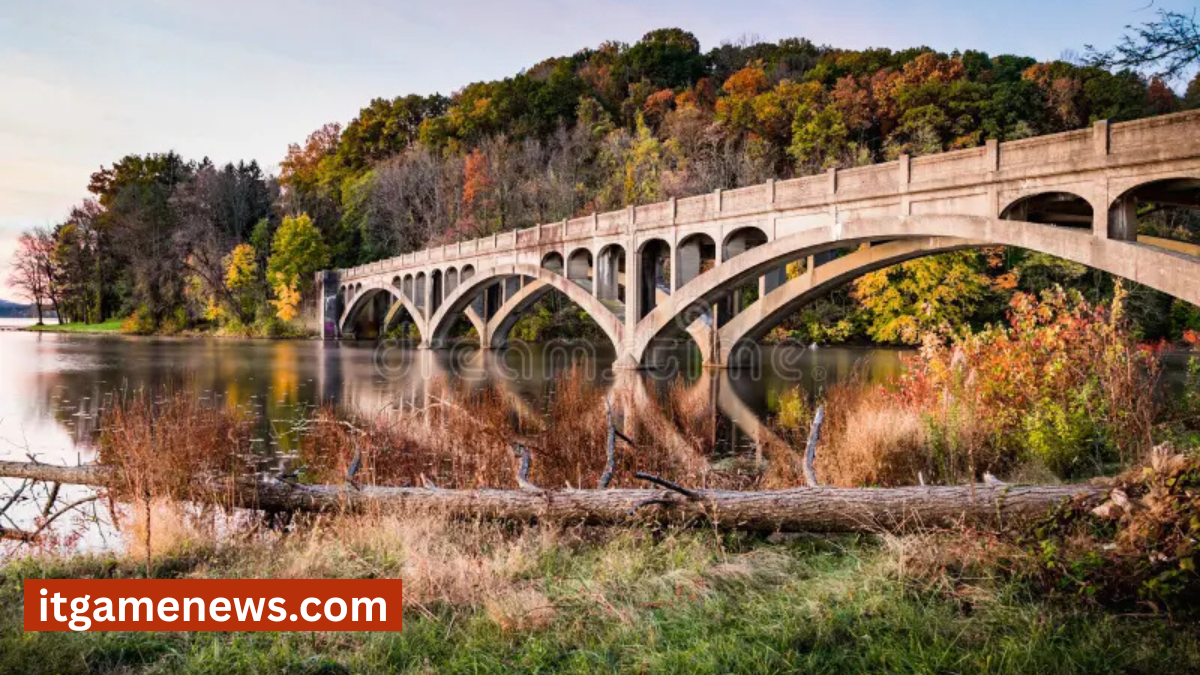
Lake Ontelaunee is one of Pennsylvania’s most quietly impressive natural destinations, offering a blend of scenic beauty, ecological importance, and outdoor recreation. Located in Berks County, this large reservoir serves as both a vital water supply source and a peaceful retreat for nature lovers, anglers, and photographers. Unlike heavily commercialized lakes, Lake Ontelaunee maintains a calm, undeveloped character that makes it especially appealing to those seeking solitude and natural surroundings.
The lake stretches across a wide area surrounded by farmland, rolling hills, and wooded patches, creating a landscape that changes beautifully with the seasons. In spring and summer, it becomes a haven for birdlife and fishing enthusiasts, while autumn transforms the area into a colorful panorama of reds, oranges, and golds. Its controlled access and protected status also ensure that the environment remains relatively undisturbed, preserving its natural charm.
Visitors often describe Lake Ontelaunee as a “hidden escape” rather than a tourist hotspot. This guide explores everything from its history and geography to fishing opportunities, wildlife, and travel tips so you can fully appreciate what makes this reservoir such a unique destination in Pennsylvania.
History and Background of Lake Ontelaunee
The creation of Lake Ontelaunee dates back to the early 20th century when the need for a reliable water source for the city of Reading became increasingly urgent. The area that now forms the reservoir was once a mix of farmland and small settlements. Through careful planning and engineering, the land was transformed into a large reservoir designed to supply clean water to surrounding communities.
Over time, the lake became an essential part of the region’s infrastructure, playing a key role in supporting population growth and industrial development in Berks County. While its primary purpose remains utilitarian, the surrounding area gradually gained recognition for its natural beauty and recreational potential.
Today, Lake Ontelaunee stands as a balance between function and preservation. Although access is restricted in certain areas to protect water quality, the lake has still become a beloved spot for outdoor activities such as fishing, walking, and wildlife observation. Its history reflects a broader story of how human engineering and natural landscapes can coexist when carefully managed.
Location, Geography, and Accessibility
Lake Ontelaunee is situated in northern Berks County, Pennsylvania, surrounded by a mix of rural landscapes and small communities. The reservoir covers a large area, with a shoreline that winds through fields, wooded sections, and quiet backroads. Its geography creates a peaceful atmosphere that feels far removed from nearby urban centers.
Access to the lake is relatively straightforward by car, with several roads leading to different viewing and fishing points around the perimeter. However, because it is a protected water supply, not all areas are open to the public. Visitors typically explore designated access points and surrounding roads that provide scenic views without disturbing restricted zones.
Parking is limited but available at certain roadside pull-offs and permitted entry areas. The lack of heavy infrastructure helps preserve the lake’s natural environment, making it more suitable for low-impact recreation such as walking, photography, and fishing rather than large-scale tourism.
Recreational Activities at Lake Ontelaunee
Fishing Opportunities
Fishing is one of the most popular activities at Lake Ontelaunee. The lake is home to a variety of fish species, including bass, catfish, carp, and panfish. Anglers are drawn to its calm waters and diverse habitats, which provide excellent opportunities throughout the year.
Fishing regulations are strictly enforced to protect water quality and wildlife. Visitors are required to have a valid Pennsylvania fishing license, and certain areas may have additional restrictions. Despite these rules, the lake remains a rewarding destination for both casual and experienced anglers.
Seasonal changes play a major role in fishing success. Spring and early summer are ideal for bass, while cooler months often yield good results for catfish. Early morning and late evening are generally the best times to fish due to increased activity near the shoreline.
Boating and Water Activities
Boating on Lake Ontelaunee is limited due to its status as a drinking water reservoir. Motorized boats are generally not permitted, which helps maintain water purity and reduce disturbance. However, non-motorized activities such as kayaking or canoeing may be allowed in designated areas under specific regulations.
This restriction actually enhances the lake’s peaceful environment, making it ideal for quiet water experiences and wildlife observation. Visitors often appreciate the absence of engine noise, which allows for a more immersive connection with nature.
Hiking, Walking, and Photography
While there are no formal hiking trails circling the entire lake, the surrounding roads and access paths provide excellent walking opportunities. These routes offer scenic views of the water, farmland, and forest edges.
Photographers are especially drawn to Lake Ontelaunee for its natural lighting and diverse scenery. Sunrise and sunset shots are particularly stunning, with reflections on the water creating dramatic compositions. Wildlife sightings also add to the appeal, making it a rewarding location for nature photography.
Wildlife, Nature, and Ecosystem
Lake Ontelaunee supports a rich and diverse ecosystem. Birdwatchers frequently observe species such as herons, egrets, ducks, and bald eagles. The surrounding wetlands and tree lines provide ideal nesting and feeding grounds, especially during migration seasons.
The aquatic ecosystem is equally important, supporting healthy populations of fish and other aquatic organisms. Because the lake is carefully managed as a water supply, pollution levels are kept low, allowing wildlife to thrive in relatively clean conditions.
The surrounding vegetation includes a mix of native grasses, shrubs, and hardwood trees, creating a natural buffer that protects the lake while supporting biodiversity. Conservation efforts in the area focus on maintaining water quality and preserving habitats for both aquatic and terrestrial species.
Rules, Regulations, and Visitor Guidelines
As a protected reservoir, Lake Ontelaunee is subject to strict regulations designed to safeguard drinking water quality. Swimming is not allowed, and access to certain shoreline areas is restricted. These rules help maintain the lake’s cleanliness and ecological balance.
Fishing and limited recreational access are permitted, but visitors must follow all posted guidelines. Littering, open fires, and unauthorized boating are prohibited. Respecting these regulations ensures that the lake remains a sustainable resource for both people and wildlife.
Visitors are encouraged to practice responsible recreation by staying on designated paths, avoiding restricted zones, and minimizing environmental impact during their visit.
Best Time to Visit Lake Ontelaunee
Each season offers a different experience at Lake Ontelaunee. Spring brings blooming vegetation and active wildlife, making it an excellent time for birdwatching and fishing. Summer offers long daylight hours and lush green scenery, ideal for photography and outdoor exploration.
Autumn is widely considered the most visually striking season, as the surrounding trees display vibrant fall colors. Winter, while quieter, provides a peaceful and almost reflective atmosphere, though access may be more limited due to weather conditions.
Early mornings and late afternoons are generally the best times to visit year-round, as lighting conditions are optimal and wildlife activity is higher.
Nearby Attractions and Things to Do
The area surrounding Lake Ontelaunee includes several small towns, parks, and rural attractions. Visitors can explore nearby hiking trails, local farms, and scenic drives throughout Berks County. The region also offers historic sites and cultural landmarks that reflect Pennsylvania’s rich heritage.
For those interested in extending their trip, nearby Reading provides dining, shopping, and entertainment options. Combining a visit to the lake with other regional attractions creates a well-rounded travel experience.
Conclusion
Lake Ontelaunee is more than just a reservoir—it is a peaceful natural escape that blends environmental importance with quiet recreation. Its protected status ensures clean water for the region while also preserving a serene landscape for fishing, wildlife observation, and photography. Whether you are a local resident or a traveler exploring Pennsylvania, the lake offers a refreshing break from urban life and a chance to reconnect with nature in its simplest form.
